Absentee Owners: How to Find and Reach Out-of-State Landlords
Absentee owners explained: how to spot them in assessor records, why out-of-state landlords sell, how to reach them, and what to ask about tenants.
The Skipset team · · 8 min read
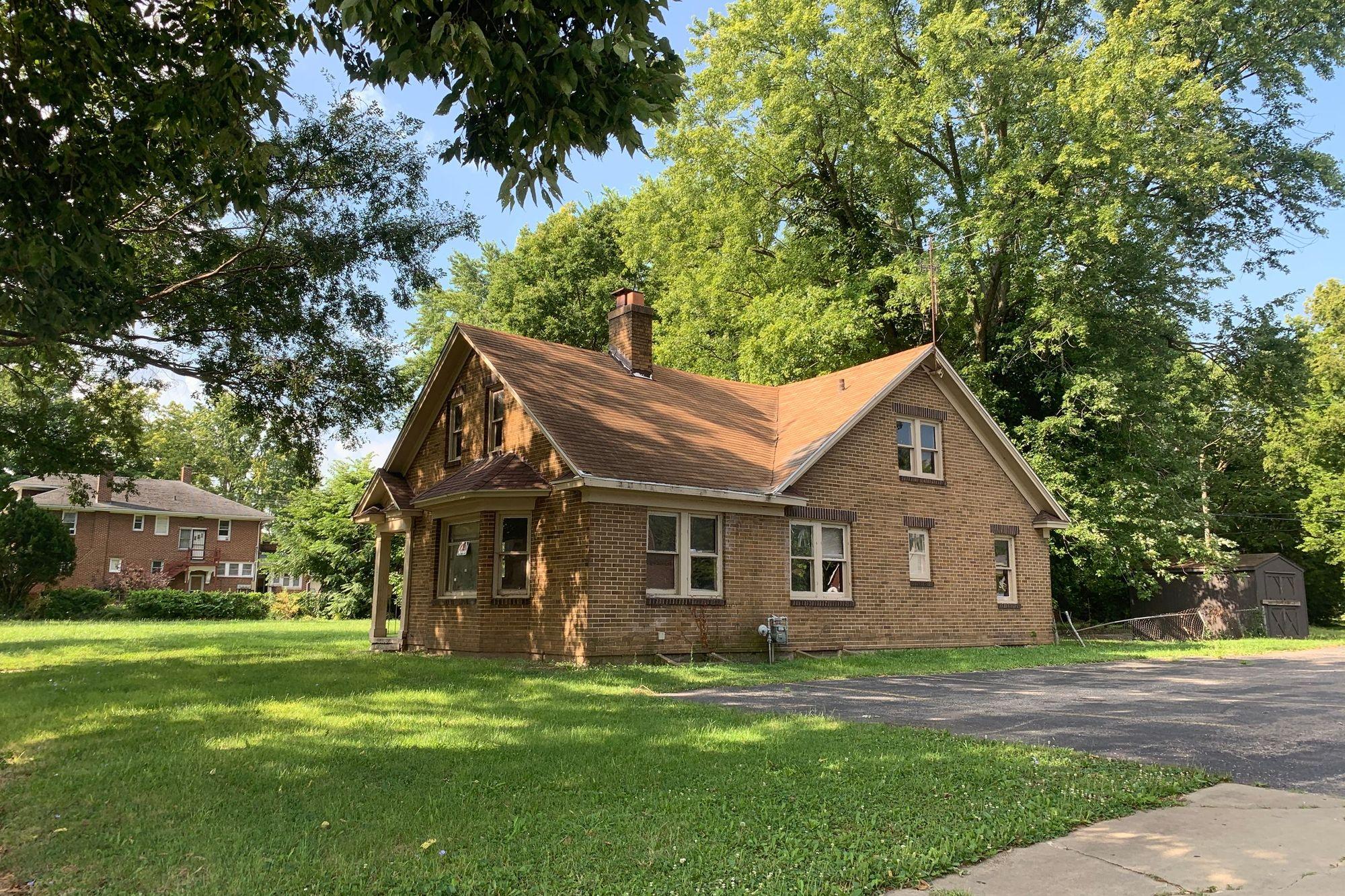
An absentee owner is someone who owns a property but does not live in it. Most of them are landlords. Some own a second home, an inherited house they never moved into, or a vacant lot. What they share is distance: when the water heater fails or the tenant stops paying, they are not around the corner to deal with it.
That distance is why investors and agents track absentee owners. This guide covers how to spot them in county records, where those records mislabel owners, why out-of-state landlords sell, how to reach them, and what to ask before an offer.
What counts as an absentee owner
The working definition is simple: the owner's mailing address on the tax roll is different from the property address. County assessors and tax collectors keep two addresses for every parcel. One is the property (often called the situs address). The other is where the owner wants tax bills and notices sent. When they don't match, the owner probably lives somewhere else.
Absentee owners come in a few types, and they don't behave the same way:
| Type | What the record shows | What it usually means |
|---|---|---|
| Out-of-state owner | Mailing address in another state | A landlord, heir or second-home owner who can't drop by |
| In-state, different county | Mailing address a few hours away | Often a former resident who moved and kept the house as a rental |
| Local absentee owner | Mailing address in the same city | A local landlord, often with several doors |
| Entity owner | An LLC, corporation or trust as owner | Anything from a one-house LLC to a large operator |
| Second home | Owner lives elsewhere, no tenant | A vacation or seasonal property |
The out-of-state owner gets the most attention because distance makes every problem bigger. A local landlord with ten rentals has a handyman on speed dial. An owner in another state with one rental has a property manager, or nobody.
How to spot absentee owners in assessor data
You don't need a paid list to find absentee owners. You need the county's parcel data and some patience.
- Get the parcel file. Most county assessor or property appraiser websites let you search by parcel, and many offer a bulk download or a records request for the full roll. You want owner name, property address, mailing address, land use code and exemptions.
- Normalize both addresses. "123 N Main St" and "123 North Main Street" are the same place. Standardize abbreviations, unit numbers and ZIP codes before you compare, or you will flag owner-occupants as absentee.
- Compare and sort. Flag every parcel where the mailing address differs from the property address. Then sort by mailing state so out-of-state owners sit together.
- Check the homestead exemption. Many states give a tax break only to owners who live in the home. In Florida, the homestead exemption goes to an owner who, on January 1, makes the property a permanent residence in good faith. A residential parcel with no homestead exemption and an out-of-state mailing address is a strong absentee signal.
- Filter by land use. Keep single-family, condo, townhome, small multifamily and residential land codes. Drop commercial parcels unless you work them.
- Add how long they've owned it. Many rolls show the last sale date (and, in most states, the price), and the recorder holds any recorded mortgages. An absentee owner who bought 15 years ago likely has more equity and more room to sell at a discount.
- Look up entity owners. If the owner is an LLC, search the state's business entity records (usually the Secretary of State) for the registered agent and the people named in annual filings.
Where the mailing address gives you the wrong answer
Address matching is a rough tool. Watch for these false positives:
- A property manager's address. Some owners have bills sent to their manager. You'll see the same mailing address on dozens of parcels.
- An attorney, CPA or trustee. Trusts and estates often route mail to a professional.
- An LLC's registered agent. The address belongs to a filing service, not the owner.
- A PO box in the same town. The owner may live in the house and just prefer a box.
- A recent buyer. New owners sometimes take a while to update the mailing address on the roll.
And one common false negative: an owner who moved out years ago but still has mail going to the property address. Those houses look owner-occupied on paper. An overgrown yard, or a tenant who answers the door, tells you otherwise.
Out-of-state vs local absentee owners
The two groups need different conversations.
Out-of-state owners usually bought while living nearby and then moved, inherited the house, or bought from afar because prices were lower. They rely on a manager or a relative and may not have seen the house in years, so they may not know its real condition. Your value to them is simplicity: one call, one closing, no trips.
Local absentee owners are more often professional landlords. They know the property, they know rents, and they know what a fair price looks like. They sell for business reasons: cashing out, trading up, cleaning up a weak part of the portfolio. Expect a sharper negotiation and a shorter list of surprises.
Why absentee owners sell
Being far from a property does not, by itself, make someone want to sell. These are the pressures that do:
- Distance and management. A bad property manager, a manager who quits, or a relative who can no longer check on the house. Every repair becomes a phone call and a leap of faith.
- Tenant problems. Late rent, damage, or an eviction. A landlord who has just been through an eviction from another state is often done. See our guide to eviction records for how to find those filings.
- Repairs and condition. A roof, foundation or sewer line that the rent can't justify. Left alone, those turn into open code cases.
- Property taxes. Owners who don't live in the home often lose the residential tax breaks. In Florida, for example, homestead assessments can rise no more than 3% a year or the change in CPI, whichever is lower, while non-homestead residential property of nine units or fewer is capped at 10% a year for levies other than school taxes. Rising bills on a rental with flat rent push some owners to sell, and some fall behind. Our guide to tax delinquent properties explains how to find them.
- Inheritance. An heir in another state who now owns a house they never wanted. Our guide to inherited property covers how heirs sell.
- A plan to trade. Some owners want out of one property to buy another. Under a 1031 exchange, the replacement property must be identified within 45 days and received within 180 days (or by the tax return due date, if earlier). That owner cares about a reliable closing date more than the last dollar.
The best prospects stack two or more of these. An out-of-state owner with an eviction filing and a code case is a very different call from an out-of-state owner with a long-term tenant and a clean record. Our guide on how to find motivated sellers covers which public records to layer.
How to reach absentee owners
The tax roll gives you the one address you know works: the mailing address. Letters there reach the owner, or at least whoever handles their mail. Beyond that:
- Skip trace for phone and email. Run the owner's name with the mailing address, not the property address. The property address belongs to the tenant.
- Call on the owner's clock. The FTC's Telemarketing Sales Rule bars covered sales calls to a home outside 8 a.m. to 9 p.m. local time at the location called. Whether or not a call to buy a house is covered, careful investors follow it, and for absentee owners it means the owner's time zone, not the property's. An 8 a.m. call from Florida reaches a California owner at 5 a.m.
- Scrub against Do Not Call. The same FTC guidance says covered sellers must sync their call lists with the National Do Not Call Registry every 31 days. Follow your state's rules too, and confirm with counsel how they apply to you.
- Email with an opt-out. Commercial email has to follow the CAN-SPAM Act, including a working way to unsubscribe.
- Work through entities politely. For an LLC, the registered agent will usually forward mail but won't connect you. A letter addressed to the member named in the annual report often does better.
- Don't knock on the tenant's door. The tenant did not ask to be part of a sale and can make the owner's life harder if they feel threatened. Contact the owner.
On the first touch, say plainly that you buy in that town and that you can buy with the tenant in place. For an owner a thousand miles away, "you don't have to come back here" is the whole pitch.
What to qualify on the first call
A tenant-occupied house is a business, so qualify it like one. Before you talk price, get answers to these:
- Who is on title? Confirm the person on the phone can sign. Co-owners, trusts and LLC members all change who has authority.
- Is it occupied, and by whom? Tenant, relative, nobody? If vacant, how long?
- What do the leases say? Ask for copies. Lease end dates, rent, renewal terms and whether it's month to month.
- Is rent current? Any arrears, any eviction filed or planned, any rent paid in cash with no records.
- Deposits. Who holds them and how much. Some states set rules for handing them over. In New York, the seller must turn deposits over to the buyer at closing or within five days and notify the tenant by registered or certified mail.
- Condition. When did the owner last see the property? What does the manager say? Plan to verify everything yourself, because the owner may honestly not know.
- Money owed against it. Mortgage balance, back taxes, liens, open code cases.
- Where the owner lives, if outside the U.S. If the seller is a foreign person, the buyer generally must withhold 15% of the amount realized under FIRPTA. The exception for sales of $300,000 or less applies only when the buyer will live in the home, so an investor buying to rent or resell usually can't use it. Bring the title company in early.
- Timeline and asking number. When do they want to close, and what number makes it worth it to them?
Rules vary by state; confirm with a local real estate attorney before you sign a contract on a tenant-occupied property.
Where Skipset fits
Skipset does not work from absentee status. It works from public records that show distress or motivation, including evictions, code violations, tax liens, municipal liens, judgments, probate and pre-foreclosure. When one of those records belongs to a landlord who lives far away, Skipset reaches the owner by call, text and email, qualifies them on asking number, condition, timeline and motivation, and books a call or in-person appointment on your calendar. You negotiate and close, and each owner is exclusive to your county. See how it works and pricing.
This guide is general information, not legal, tax or financial advice. Rules vary by state and county; confirm with a local real estate attorney before you act.
Questions
- Is a vacation home owner an absentee owner?
- Yes, by the usual definition. If the owner's mailing address on the tax roll is somewhere other than the property, the house shows up as absentee-owned whether it is a rental, a second home or sitting empty. Vacation homes behave differently from rentals, though: there may be no tenant, and the owner often has an emotional reason to keep it.
- Can I buy a house with tenants still living in it?
- Usually, yes. In most states an existing lease stays in force after a sale, so you take the property subject to the tenant's rights and the lease terms. Ask for copies of every lease and confirm deposits and rent before you sign. Rules vary by state; confirm with a local real estate attorney.
- Are absentee owner lists public?
- The raw information is. County assessor and tax collector records show the owner's name, the property address and the mailing address where tax bills go, and many counties let you search or download that data. Paid data platforms sell the same records already filtered, but you can build a list yourself from the county file.
- Is owning a property out of state a reason to call the owner?
- On its own, not much of one. Plenty of out-of-state landlords are happy, well-run operators with good property managers. Absentee status is most useful when it lines up with something that shows strain, such as an eviction filing, an open code violation or unpaid property taxes.
Keep reading

Ownership and court records · 8 min read
Eviction Records: How to Find Tired Landlords Through Court Filings
How eviction records work, where to search landlord-tenant filings, what a case says about the owner, and how to approach a tired landlord the right way.

Ownership and court records · 13 min read
Court Records for Real Estate Investors: Cases That Point to Sellers
Court records for real estate investors: which civil cases signal a sale, where to search state, county and federal dockets, and how to read them.

Ownership and court records · 8 min read
Partition Actions: When Co-Owners Are Forced to Sell
How a partition action works: division vs sale, heirs property rules, costs, co-owner buyouts, finding cases and reaching co-owners the right way.
Book a demo
Name, email, phone, your company, what you are, your state, and how many appointments you want each month.