HOA Liens: When Unpaid Association Dues Put a Home at Risk
How an HOA lien arises, where it ranks against the mortgage, when the association can foreclose, and what buyers and investors should check first.
The Skipset team · · 8 min read
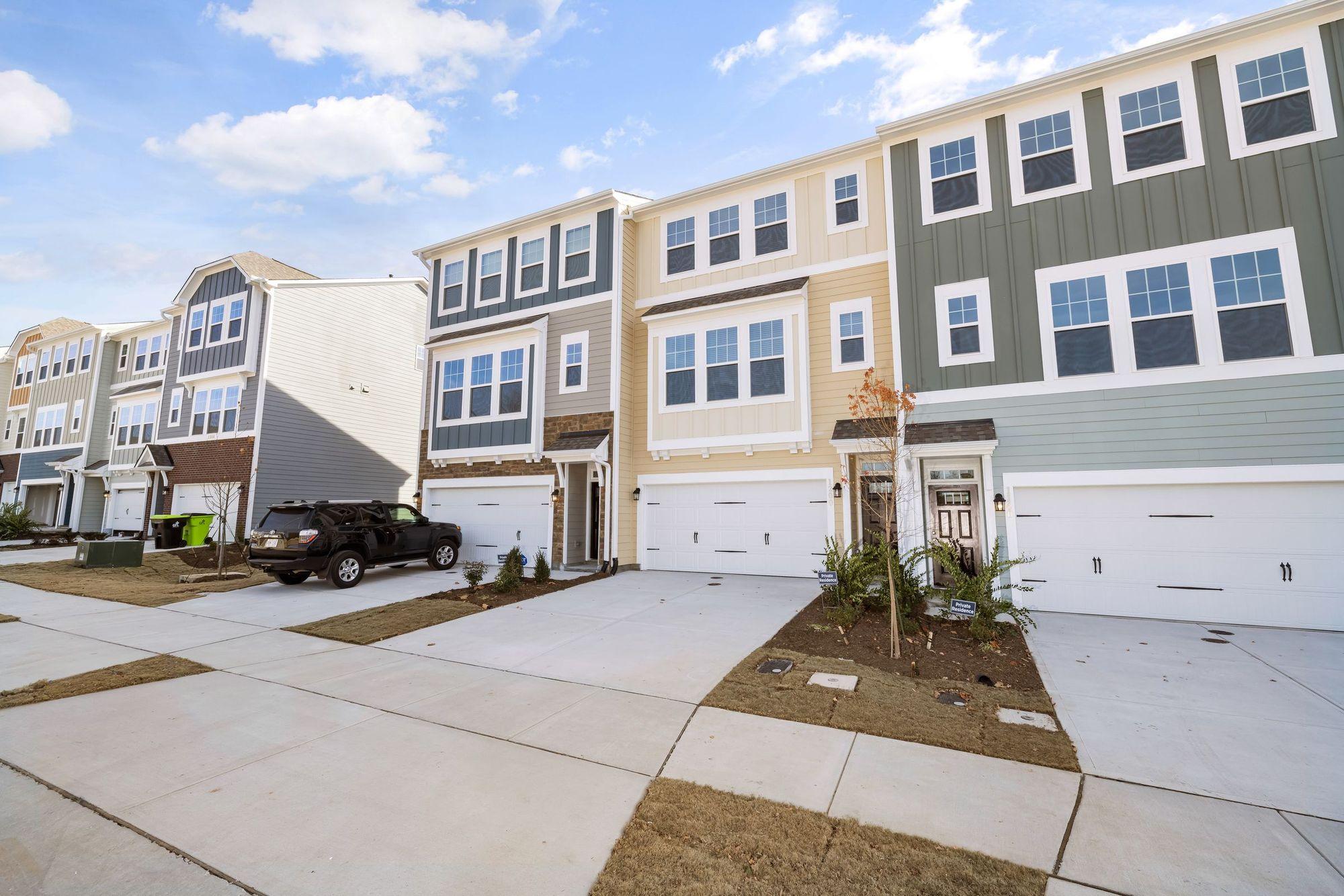
An HOA lien is the association's claim against a home for unpaid dues, assessments and the charges that pile on top of them. It sits in the county records until the owner sells, refinances or gets foreclosed on. For a buyer, it is a title item to clear. For an investor or agent, a recorded claim of lien is one of the clearer public signs that an owner is falling behind on the costs of the house.
This guide covers where the lien comes from, how it ranks against the mortgage, how association foreclosure works, what to check before you buy, and how to approach an owner who is behind. Rules vary by state; confirm with a local real estate attorney.
How an HOA lien arises
Two things create the lien. The first is the community's recorded declaration, often called the CC&Rs, which usually says assessments are a personal obligation of the owner and a lien on the lot or unit. The second is state law: a condominium statute, and in many states a planned community or HOA statute, that confirms the lien and sets the steps the association must follow.
What the lien can include depends on that statute and the declaration. Regular assessments are always in. Special assessments, late charges, interest and collection costs usually are. Fines for rule violations are the most restricted category, and some states keep them out of the lien or out of foreclosure entirely.
California's Department of Real Estate summarizes that state's rules in its guide Living in a California Common Interest Development: an assessment is delinquent 15 days after its due date, the association can add a late fee and interest of up to 12 percent a year, and it can lien the property for the amount owed plus costs. Before recording the lien, a California association must send the owner a notice by certified mail at least 30 days ahead with an itemized statement and the owner's dispute rights. In Florida, an HOA must send a notice of intent to record a claim of lien that gives the owner 45 days to pay.
Once recorded, the claim of lien is a public document in the county land records, which is how buyers, title examiners and investors find it.
Where an HOA lien ranks against the mortgage
Priority decides who gets paid first and whose interest survives a foreclosure. The usual pattern:
- Property tax liens rank ahead of the association.
- A first mortgage recorded before the dues went delinquent usually ranks ahead of the association.
- The association usually ranks ahead of second mortgages, judgment liens and other later claims.
A 2013 report by the Joint Editorial Board for Uniform Real Property Acts, which advises the Uniform Law Commission, found that in a slight majority of states association liens are subordinate to first mortgages.
The six-month limited priority, or "super lien"
The Uniform Common Interest Ownership Act takes a different approach. Section 3-116(c) gives the association a limited priority over the first mortgage, equal to six months of regular assessments based on its budget, plus reasonable attorney's fees and costs incurred in foreclosing the association's lien. That slice is what investors call the super lien. The rest of the balance stays behind the mortgage.
The same 2013 report listed the jurisdictions that had adopted a six-month limited priority as of that year, including Alabama, Alaska, Colorado, Connecticut, Delaware, Illinois, Massachusetts, Minnesota, New Hampshire, New Jersey, Pennsylvania, Rhode Island, Tennessee, Vermont, Washington, West Virginia and the District of Columbia. Several of these apply only to condominiums. Maryland gave homeowners associations four months. Statutes have changed since 2013, so read the current version in your state before relying on that list.
| Jurisdiction | What gets priority over the first mortgage | Source |
|---|---|---|
| District of Columbia (condos) | Over most first mortgages, six months of budgeted assessments before the association sues or records a memorandum of lien | D.C. Code § 42-1903.13 |
| Nevada | Nine months of assessments before the notice of default and election to sell is recorded, plus certain maintenance and nuisance-abatement charges | NRS 116.3116 |
Nevada is the state investors cite. In SFR Investments Pool 1 v. U.S. Bank (2014), the Nevada Supreme Court held that the super-priority piece is a true priority lien, and that a proper foreclosure of it can extinguish the first deed of trust. One limit worth knowing: loans owned by Fannie Mae or Freddie Mac fall under a federal statute that says property of their conservator is not subject to foreclosure or sale without the agency's consent, so an association sale may not wipe out those loans.
Florida's lender cap is a different rule
Florida is sometimes listed with these states, but its rule works differently. When a first mortgage lender forecloses and takes title, it owes past-due dues capped at the lesser of 12 months of assessments or 1 percent of the original mortgage debt, and only if it named the association as a defendant. The rule appears in both the condominium statute and the HOA statute. The association cannot wipe out the mortgage; it gets a limited recovery after the bank's foreclosure.
How HOA foreclosure works
Where the declaration or statute allows it, an association can foreclose its lien like any other lienholder. Some states allow a power of sale without court; others require a lawsuit. Several add protections specific to associations:
- District of Columbia: a condo association can sell under a power of sale at least 31 days after recording and mailing notice, with copies to the mortgage holders. The notice must say whether the sale is for the six-month priority amount or for more.
- California: an association cannot foreclose unless the delinquent assessments, not counting fees, costs and interest, reach $1,800 or are more than 12 months past due. After a nonjudicial sale the owner has a 90-day right of redemption.
- Texas subdivisions: under Property Code chapter 209, a property owners' association cannot foreclose when the debt is only fines and related attorney's fees, must generally get a court order first, and the owner can redeem within 180 days after the association mails notice of the sale. Texas condominiums are governed by a different chapter.
In most states an association foreclosure is a sale of the owner's interest subject to the first mortgage. The buyer at that sale takes the house with the mortgage still on it, which is why these auctions often bring low bids. In a judicial state, the case will show up on the court docket and often as a lis pendens in the land records, just like a bank foreclosure.
Bankruptcy does not erase the problem for long. In a Chapter 7 case, federal law makes association fees that come due after the bankruptcy filing nondischargeable for as long as the debtor still owns the unit.
Condos and townhomes: why the stakes are higher
Condo associations usually carry more of the building: the roof, exterior walls, elevators, master insurance and reserves. Dues tend to be higher, and a large repair is often billed to each owner as a special assessment. An owner who could handle the monthly dues can fall behind fast when one arrives.
Condos also come with their own statutes. Florida splits condominiums (chapter 718) from homeowners associations (chapter 720), and the timelines differ: a Florida condo association's claim of lien stops being effective after one year unless it files suit to enforce it, while the HOA statute has no matching rule.
Townhomes can go either way. Some are platted lots in a homeowners association; others are legally condominium units that look like row houses. Check the recorded declaration to see which statute governs, because it changes the lien rules, the foreclosure rules and what the buyer must receive.
What buyers must check before closing
An HOA lien is a title problem the buyer inherits if nobody catches it. Florida makes a new owner jointly and severally liable with the previous owner for unpaid assessments, and many declarations say something similar. Before you sign, or at the latest before you close:
- Get the estoppel or resale certificate. In Florida, an owner, mortgagee or their designee can request an estoppel certificate and the association must issue it within 10 business days. It lists what is owed, what comes due during its effective period, and open violations. It is good for 30 days (35 if mailed), and the association cannot later collect more from someone who relied on it in good faith. In D.C., a condo association that does not provide a requested statement of unpaid assessments within 10 days loses its lien.
- Read the seller's disclosure package. California sellers must provide a statement of current and unpaid assessments and fines, any assessment increases the board has approved that are not yet due, and unresolved violation notices.
- Ask about pending special assessments. A payoff letter shows what is owed today, not the repair the board votes on next month. Read the latest minutes.
- Search the land records yourself for a claim of lien or a lis pendens naming the association.
- Know the redemption period if you buy at an association sale. In California and Texas the prior owner can redeem after the sale, so your title is not final on auction day.
Finding owners behind on dues in public records
Association liens are recorded at the county recorder, register of deeds or clerk's office. Document titles vary by state and county: claim of lien, notice of lien, assessment lien, notice of delinquent assessment, or a lien release when it is paid. Search the document-type index or the grantor/grantee index with the association's name as the party.
Then check the parcel's other records:
- Court dockets. In judicial states, association foreclosure suits and collection suits appear on the civil docket, often with the association as plaintiff. A money judgment for dues can also become a lien on the property once it is recorded or docketed.
- Other distress on the same property. Cross-check the parcel against property tax delinquency, municipal liens for water or code charges, and mortgage default filings.
How to approach an owner with an HOA lien
Keep the first conversation simple. Don't explain the law or promise the lien goes away. You are asking whether they want to keep the property, and if not, what a sale would need to look like.
Useful questions: Is the unit occupied? Has the association offered a payment plan? Is a special assessment coming? Is the mortgage current? What would they need to walk away with? The association payoff plus the mortgage payoff is the least a sale has to cover, so confirm both before you make an offer. If the association has already filed for foreclosure, the sale date sets the timeline.
Where Skipset fits
Skipset works from recorded liens, judgments, debt collection suits and foreclosure filings, finds the owners behind them, and reaches out by call, text and email. It qualifies each owner on asking number, condition, timeline and motivation, then books the conversation on your calendar so you can negotiate. It works with condos, townhomes and houses alike, and owners are exclusive to your county. See pricing for how wholesalers, funds, agents and brokers pay.
This guide is general information, not legal, tax or financial advice. Rules vary by state and county; confirm with a local real estate attorney before you act.
Questions
- Can an HOA put a lien on your house without going to court?
- Usually, yes. The association's right to a lien comes from the recorded declaration and state law, so it does not need a judgment first. Many states require written notice before the lien is recorded, such as California's 30-day notice by certified mail. A court gets involved later, if at all, when the association sues or forecloses.
- Does an HOA lien come off when the house is sold?
- Not by itself. The lien stays attached to the property until it is paid or released, which is why the title company asks the association for a payoff or estoppel figure before closing. In most sales the balance is paid out of the seller's proceeds at closing and the association records a release.
- Can an HOA foreclose if you are current on your mortgage?
- In many states, yes. The association's lien is separate from the mortgage, so being current with the lender does not stop an association foreclosure. Some states limit it: California bars foreclosure when the unpaid assessments are under $1,800 and no more than 12 months past due, and Texas bars it when the debt is only fines.
- How long does an HOA lien last?
- It depends on the state. In Florida a condo association's claim of lien stops being effective one year after recording unless the association files an action to enforce it, and a District of Columbia condo association's lien expires if enforcement does not begin within three years. Other states use their general deadlines for enforcing liens or contracts.
- Who pays the HOA lien when an investor buys the house?
- Normally the seller pays it at closing from the sale proceeds, and the buyer's title company makes sure that happens. If it is missed, the buyer can end up owing it: Florida makes a new owner jointly and severally liable with the prior owner for unpaid assessments. Get a current estoppel or payoff letter before you close.
Keep reading

Taxes and liens · 8 min read
Municipal Lien Search: Water, Sewer, Code and Demolition Liens
What a municipal lien search finds, why title searches miss city liens, how to run one office by office, and how these liens shape a deal and the owner.

Taxes and liens · 13 min read
Tax Delinquent Properties: How to Find Owners Behind on Property Taxes
How tax delinquent properties work, where county delinquency lists come from, how to read them, and how to reach owners before the tax sale.

Taxes and liens · 8 min read
Tax Lien vs Tax Deed States: What Investors Need to Know
Tax lien vs tax deed states explained: what each sale sells, redemption periods by state, interest and premiums, buyer risks, and how to reach owners first.
Book a demo
Name, email, phone, your company, what you are, your state, and how many appointments you want each month.