AI Texting for Real Estate: Reaching Motivated Sellers by SMS
How AI texting works for real estate investors: the first message, the replies AI must handle, carrier registration, consent and opt-outs, and the handoff.
The Skipset team · · 4 min read
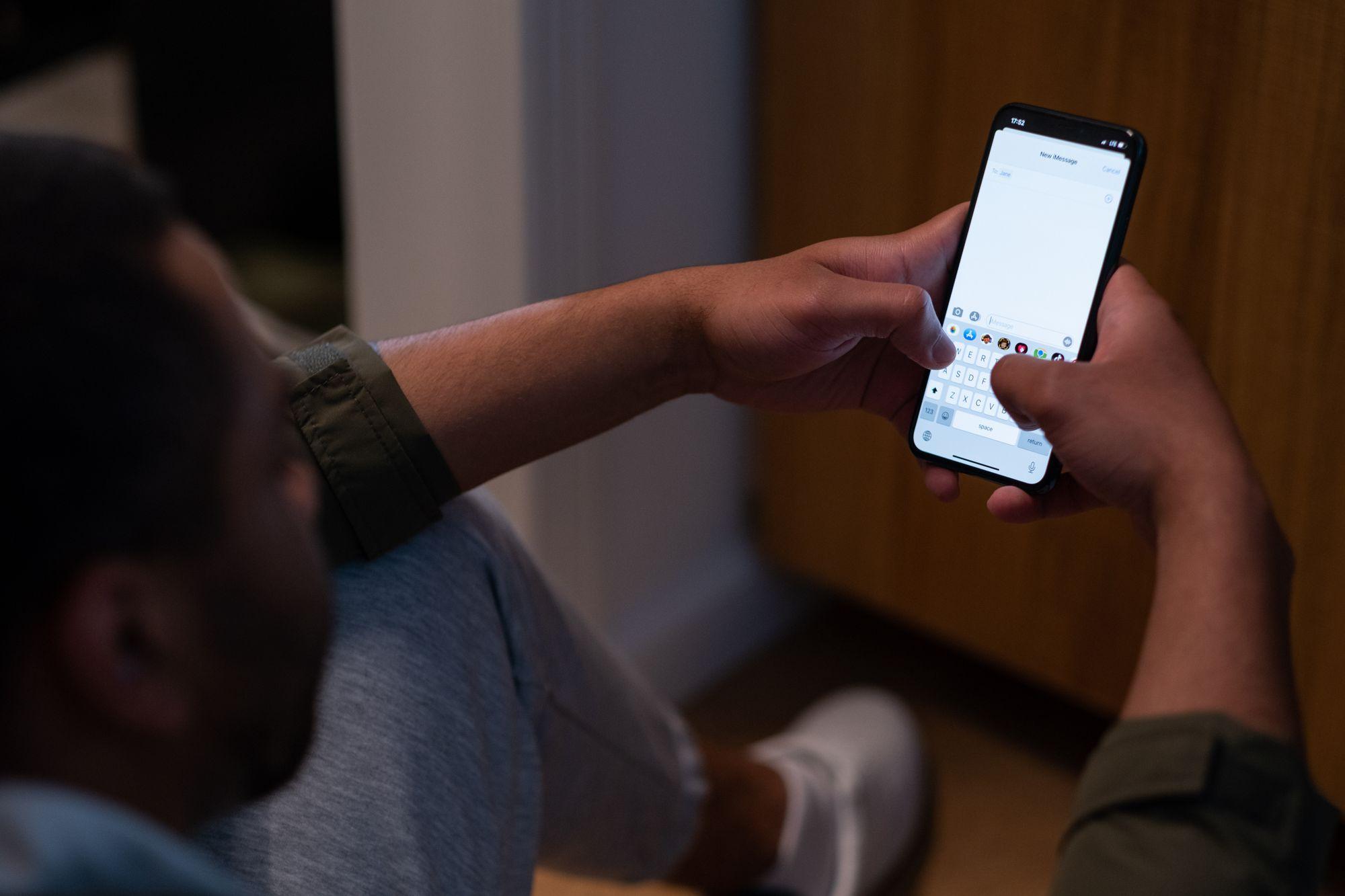
Texting is where most owners answer first. A short text is easy to reply to, easy to ignore and easy to come back to later, which is why it fits the slow, stop-and-start way owners decide to sell. It is also where volume, speed and rules collide, which makes it a natural place for AI.
This guide covers what an AI texting assistant does, how to write the first message, the replies it has to handle, the carrier and consent rules, and when a person should take over.
Why text first
- Owners screen calls. An unknown number goes to voicemail; a text gets read.
- Replies come on the owner's schedule. At night, on a lunch break, weeks later.
- The thread keeps context. The owner can see what was already said, and so can your team.
The downside: texting is the most filtered and most litigated channel in real estate outreach. Speed without care gets numbers blocked and businesses sued.
What an AI texting assistant does
- Sends the first message to owners on your list, inside your sending hours.
- Answers replies at once, in plain language, any time of day.
- Sorts replies: interested, not now, wrong number, opt-out, hostile, already sold.
- Asks the qualifying questions: price, condition, timeline and motivation. See AI seller qualification.
- Follows up on the same thread when an owner goes quiet.
- Books the appointment and hands the thread to a person.
Writing the first message
The first text has one job: get a reply. What tends to work:
- Name your business and say which property you mean.
- Ask one easy question, such as whether they would consider an offer.
- Keep it to a sentence or two. No links, no prices, no pitch.
- Include opt-out language.
What tends not to work: a long paragraph, a price in the first message, fake familiarity ("Hey, it's me!") and anything that reads like a mass message.
Replies the AI must handle
| Reply | What should happen |
|---|---|
| "Who is this?" | Say who you are and why you texted, plainly |
| "STOP" or "remove me" | Opt out immediately, on every channel |
| "Wrong number" | Mark the number wrong for that owner and stop texting it |
| "Not interested" | Thank them and stop, or follow up much later if your process allows |
| "How much?" | Ask what number would work for them; do not guess |
| A price, a repair, a date | Record it and move to the next missing qualifier |
| Anger or a threat | Stop and flag it for a person |
Two things separate good AI texting from bad: handling the reply nobody planned for, and never asking the same question twice. An owner who already gave a price and gets asked again stops answering.
Carrier registration
US carriers require businesses that text from regular 10-digit numbers to register through the 10DLC system. The business registers its brand and describes its use case and sample messages. Carriers use that to set throughput and to filter messages that do not match what was registered. Sending without registration, or sending messages that look nothing like your samples, gets texts blocked.
Consent, Do Not Call and quiet hours
- TCPA. Texts count as calls under the TCPA. Whether consent is required depends on the equipment used, the content and state law. The Supreme Court read the federal autodialer definition narrowly in Facebook v. Duguid (2021), but some state laws reach further. Get a lawyer's read on your setup.
- Do Not Call. An FCC order adopted in December 2023 codified that the National Do Not Call Registry covers text messages. Courts are split on whether a call or text offering to buy a home is a "telephone solicitation" under the Do Not Call rules (see AI cold calling for real estate). A message that pitches a service, such as listing the house with an agent, clearly is one. Most investors scrub against the registry either way. Keep an internal do-not-contact list too.
- Opt-outs. Since April 11, 2025, FCC rules let owners revoke consent by any reasonable means, including replies like "stop" or "remove me," and require you to honor it within 10 business days.
- Quiet hours. Keep texts inside the owner's local daytime hours. The federal telemarketing window is 8 a.m. to 9 p.m.; Florida and Oklahoma end at 8 p.m.
- State laws. Several states, including Florida and Oklahoma, have telemarketing laws that cover texts and allow private lawsuits.
- Disclosure. Say who is texting, and let the owner reach a person. Some states, such as California and Utah, also have rules on disclosing bots or AI in certain consumer conversations.
This is general information as of October 2026, not legal advice. Have a TCPA lawyer review your texting before you scale it.
When a person should take over
- The owner qualifies and an appointment is booked
- The owner asks for a person
- The situation is complicated: an estate with several heirs, a pending foreclosure sale date, a title problem
- The owner is upset
The handoff should carry the whole thread, so your acquisitions rep never asks the owner to repeat themselves.
How Skipset texts sellers
Skipset reaches owners by text, call and email, answers replies with AI, qualifies them on price, condition, timeline and motivation, and follows up on the same thread until the file is complete. Opt-outs are honored on every channel, and every message is disclosed and logged. When an owner qualifies, the appointment and the thread land on your acquisitions rep's calendar. See follow-ups and messages.
This guide is general information, not legal, tax or financial advice. Rules vary by state and county; confirm with a local real estate attorney before you act.
Questions
- Can AI text property owners for me?
- Yes. AI can send the first message, answer replies at any hour, ask the qualifying questions and book an appointment. The same rules apply as for any business text: carrier registration, consent where required, Do Not Call and fast opt-out handling.
- What is 10DLC registration?
- 10DLC is the system US carriers use for business texts sent from regular 10-digit numbers. The business registers its brand and describes how it will text, and carriers use that to set sending limits and filter messages. Unregistered business texts get blocked or filtered.
- What should the first text to a seller say?
- Keep it short and plain: who you are, which property, one simple question, and how to opt out. Do not open with a price or a long pitch. The goal of the first message is a reply, not a deal.
- How should AI handle a 'STOP' reply?
- Immediately and everywhere. FCC rules in effect since April 2025 allow up to 10 business days to honor a revocation made by any reasonable means, but there is no reason to wait. The number goes on your do-not-contact list, no more texts go out to it, and the owner should not hear from you on another channel either. Good systems also treat replies like 'remove me' or 'wrong number' the same way.
Keep reading

AI in real estate · 4 min read
AI Cold Calling for Real Estate: What Works and the Rules
AI cold calling for real estate explained: AI dialers vs AI voice agents, the FCC's 2024 ruling on AI voices, consent, Do Not Call and where AI calls fit.

AI in real estate · 6 min read
AI for Real Estate Investors: What It Does and What It Doesn't
AI for real estate investors: where it saves hours on outreach, qualifying and follow-up, what still needs a person, and the rules for AI calls and texts.

AI in real estate · 4 min read
AI for Real Estate Wholesaling: Where It Saves Hours
Where AI saves a wholesaler hours: fast replies, follow-up, qualifying and booking, what to keep human, and how to measure it in cost per appointment.
Book a demo
Name, email, phone, your company, what you are, your state, and how many appointments you want each month.