Vacant Property Registration: Find Empty Houses in City Records
How vacant property registration works, who must register, where cities publish the lists, and how to pair them with tax and code records to reach owners.
The Skipset team · · 8 min read
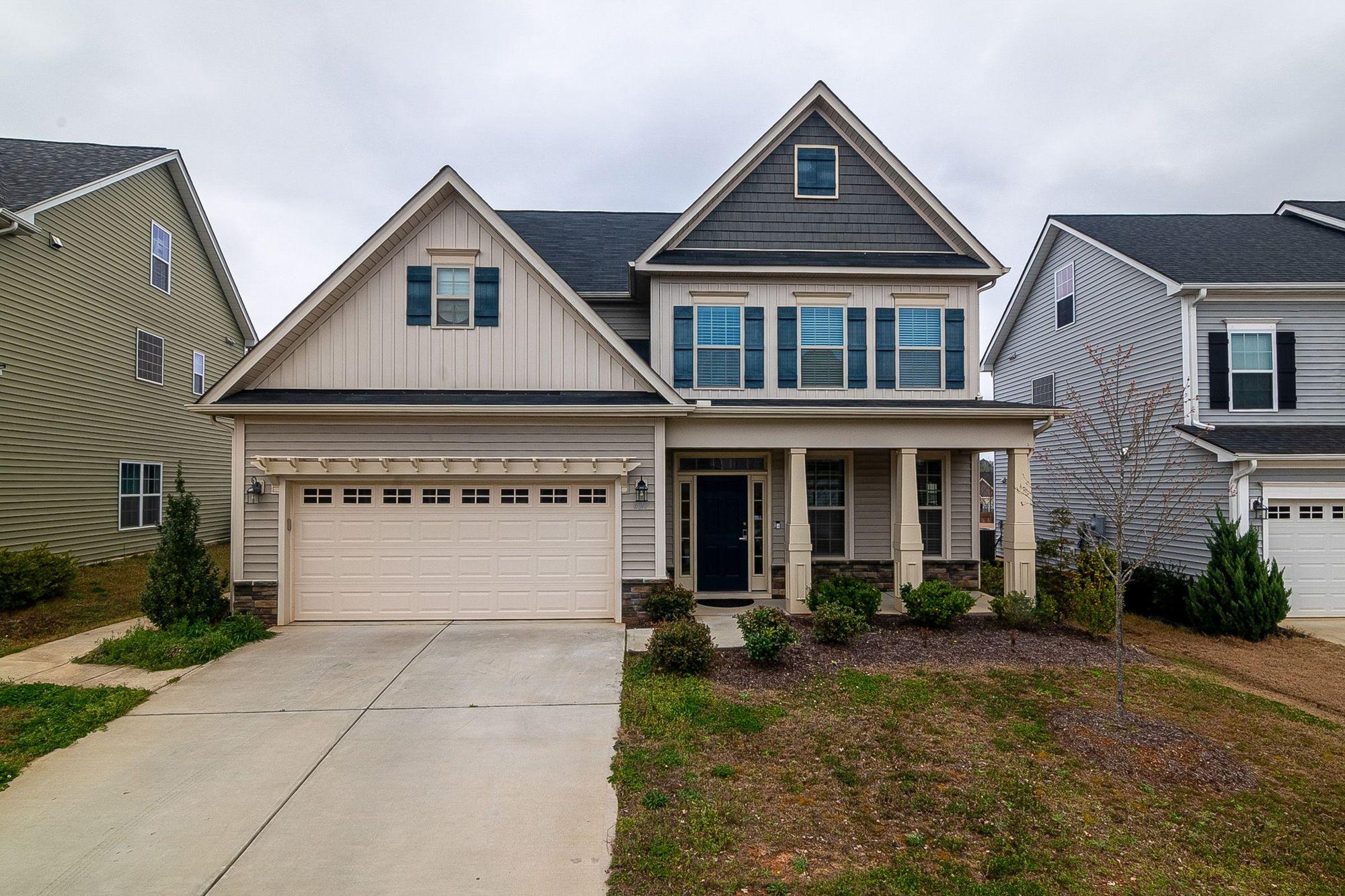
An empty house costs a city money. It draws break-ins, dumping and fire calls, and code officers burn hours just finding out who owns it. So a lot of cities pass a vacant property registration ordinance: if a building is empty, someone has to tell the city, give a working contact and, usually, pay a yearly fee.
For a buyer, that registry is one of the few public records that says outright, "this house is empty." This guide covers how these ordinances work, how five real cities handle the data, what a registration tells you, and how to reach the person behind it. Rules vary by state and city; confirm with a local real estate attorney before you rely on any deadline or fee.
What a vacant property registration ordinance is
A vacant property registration ordinance (VPRO) is a local law that requires the responsible party for an empty building to register it with the city. The registration typically includes the owner's name and mailing address, a local contact, and sometimes the lender. Most cities charge a fee and require renewal every year the building stays empty.
The Greater Ohio Policy Center describes three goals: make sure the city can identify and reach the owners of vacant buildings, tell owners what the code requires, and keep the buildings up to a baseline standard. It puts typical fees at $0 to over $600 a year. Owners who ignore the rule face growing fines, which the city can eventually collect against the property.
Two things set the trigger:
- Time vacant. The building has been empty for a set period, or any period at all.
- Foreclosure. A foreclosure has been filed, whether or not anyone has moved out yet. These versions are aimed at mortgage lenders.
Many cities use both.
Who has to register: owners, mortgagees and local agents
Owners. Every ordinance puts the duty on the titled owner. That includes investors, landlords between tenants, heirs holding an estate house, and LLCs.
Mortgagees and servicers. Foreclosure-triggered ordinances make the lender register, often before the sale. In practice the servicer handles it, frequently through a property preservation company. This matters to you because a lender registration can show up while the borrower still owns the house, and sometimes while the family still lives there.
Local agents. Many cities require an owner who lives far away to name someone local who can respond to problems. Cleveland requires owners who don't live in Cuyahoga County or the surrounding area to designate a local agent responsible for the property's condition. That agent is often a property manager, a relative or an attorney, and sometimes the fastest way to reach the owner.
How five cities handle vacant property registration
These are real programs, checked against each city's own site or open data.
| City | Who registers | What you can see | Source |
|---|---|---|---|
| Cincinnati, OH | Vacant and foreclosed properties | Open dataset of registrations, refreshed daily, with address, registration type and status | Cincinnati open data |
| Philadelphia, PA | Owners of unoccupied residential property (a license, not a registration) | License records with the owner of record and contact mailing addresses | OpenDataPhilly licenses |
| Chicago, IL | Owners of vacant buildings, owners of buildings with vacant storefronts, and mortgagees of certain vacant buildings | Public lookup of registered buildings and pending enforcement cases | Chicago Department of Buildings |
| Washington, DC | Owners of property vacant or blighted for 90 days or more | Public dashboard of every property classified vacant or blighted since fiscal year 2014 | DC Department of Buildings |
| Cleveland, OH | All vacant properties | No public list described on the city page | City of Cleveland |
A few details worth knowing:
Cincinnati publishes its registry as a data file. Most rows are foreclosure registrations, and the file also tracks second, third and fourth year renewals. The status field separates cases closed with the building occupied from cases closed with it still vacant, and it flags foreclosures where the house is still occupied. There is no owner name column, so you match each address to the county auditor's records to find out who holds title.
Philadelphia calls it a Vacant Residential Property License under Philadelphia Code 9-3905. It costs $202 a year, a property being renovated does not need one, and renewal requires the owner to be current on all City taxes. In the city's license data the type is "Vacant Residential Property / Lot," and each record carries the owner of record plus contact mailing addresses. Most records are inactive or closed, so filter to active licenses. Many holders are banks, servicers or mortgage companies, not the homeowner.
Chicago says members of the public can use its Vacant Building Registration site to track registered vacant buildings and storefronts and pending vacant building cases. The city also publishes a dataset of vacant and abandoned building violations issued on properties owned by financial institutions since 2011. Treat that one as enforcement history: its newest violations were from 2025 when we checked.
Washington, D.C. is the strongest example of a registry with teeth. Under its vacant building rules, the initial registration fee is $350 and renewal is $500 a year, and owners who don't register face yearly fines plus higher taxes. The Office of Tax and Revenue taxes ordinary residential property at $0.85 per $100 of assessed value, vacant property at $5.00 and blighted property at $10.00. Exemptions exist, including for owners actively trying to sell or rent and for property tied up in probate. DOB calls the program complaint-based, so an empty house may not appear until someone files a complaint.
Cleveland requires all vacant properties to register under Ordinance 3106. The fee is $70 per unit for one to three units and $1,000 for commercial buildings, a category that includes residential buildings with four or more units.
Smaller cities often hand the registry to a vendor. Anniston, Alabama passed its ordinance in 2021 and contracted with MuniReg to run it.
How to find out whether your city has a registry
Start with the municipal code. Search it for "vacant," "abandoned" and "registration." The chapter tells you the trigger and who must register.
Then look in four places:
- The open data portal. Search for "vacant," "foreclosed" and "license." Cincinnati and Philadelphia both put this data in files you can download.
- The building or code enforcement department's page. Look for a lookup tool, a map or a dashboard.
- The vendor. If the city outsources the registry, the city page usually says so. Vendors seldom publish lists, so you will still need the city.
- A public records request. Ask the department that runs the registry for current registrations under your state's public records law. Ask for the address, registrant name, mailing address, local agent and registration date. Two towns in the same county can have completely different rules.
What a registration signals and what it doesn't
A registration tells you a building is empty, or that a lender has started foreclosure. It does not tell you the owner wants to sell. Plenty of registered houses are snowbird homes, rentals between tenants or rehabs in progress.
Read the details before you reach out:
- Who registered. An owner registration means the owner is still engaged. A lender or servicer registration means the loan is in trouble.
- How many years. A first-year registration can be a short gap. A third or fourth renewal means the owner has paid to keep an empty house for years, with nothing coming in.
- Mailing address. Out-of-state mail on a local empty house usually means a landlord or heir who is far from the problem. Our guide to absentee owners covers how to reach them.
- Status. Closed registrations often mean the house sold or was occupied again.
Also expect gaps. Not every owner registers, and the houses most worth a call are often the ones whose owners have stopped dealing with the city at all.
Stacking registrations with tax, code and lien records
A registration alone is a weak signal. Stacked with other public records on the same parcel, it gets much stronger.
- Property taxes. An empty house with no rent coming in is a common source of tax delinquent properties. In D.C., a vacant classification can multiply the tax bill several times over. In Philadelphia, a lapsed license next to a City tax balance is worth a look, since renewal requires being current.
- Code cases. Vacant buildings collect violations for open doors, high grass, broken windows and dumping. Matching the registry to code violation properties shows you which owners are already being fined.
- Municipal liens. When a city boards, mows or cleans a house the owner ignores, it bills the cost and often liens it. See municipal liens for how those get collected.
- Foreclosure filings. A lender registration usually lines up with a court or recorded foreclosure filing. Pull that case to find the sale date and the borrower. Our pre-foreclosure guide walks through it.
A simple way to rank a list: one point each for an empty house, a multi-year registration, an out-of-area owner, unpaid taxes, an open code case and a foreclosure filing. Work the highest totals first.
Reaching the owner, the local agent or the servicer
Who you contact depends on where the house is in the process.
Owner registrations. Use the mailing address on the registration, then run a skip trace for phone and email. Keep the opener plain: you noticed the house is empty, you buy houses in that area, and you'd like to know whether they have thought about selling. Don't lecture them about fees or fines. They know.
Local agents. If the registration names a property manager or relative, ask them to pass along your name and number. Don't treat the agent as the seller unless they confirm they have authority to sell.
Lender registrations before the foreclosure sale. The borrower still owns the house until the sale, so the borrower is the person you want. The servicer's name tells you who handles the loan, but the servicer doesn't own the house and can't sell it to you. If the owner owes more than the house is worth, a deal may need the lender to approve a short sale.
After the sale. If the lender took the house back, the registration may switch to the lender or servicer. At that point you're dealing with an asset manager, usually through a listing agent.
Stay within the law on outreach. Calling and texting rules, and some state rules on contacting homeowners in foreclosure, apply no matter where you found the number.
Where Skipset fits
Skipset does not use vacant property registrations. But empty houses usually leave other records behind, and those are the records we work from: code violations, nuisance cases, municipal liens, tax liens, pre-foreclosure, foreclosure and sheriff sales. Skipset finds owners showing that kind of distress in public records, reaches them by call, text and email, qualifies them on asking number, condition, timeline and motivation, and books a call or appointment on your calendar. You negotiate and close.
Each owner is exclusive to your county. See how it works for the details.
This guide is general information, not legal, tax or financial advice. Rules vary by state and county; confirm with a local real estate attorney before you act.
Questions
- Is a vacant property registry public?
- It depends on the city and on your state's public records law. Where the list is online, it usually sits on a city open data portal or a building department dashboard. Where it isn't, a records request will often get you addresses and registration dates, though some cities hold back the registrant's phone number and email.
- Who has to register a vacant property?
- The owner, in almost every ordinance. Many cities also make the mortgage lender or servicer register once a foreclosure starts or once a mortgaged house sits empty. Some, like Cleveland, also require owners who live outside the area to name a local agent responsible for the property.
- How long does a house have to be vacant before it must be registered?
- It depends on the city. Washington, D.C. requires registration once a property has been vacant or blighted for 90 days. Anniston, Alabama gives the owner or creditor 15 days. Read your city's ordinance for its exact trigger.
- What happens if you don't register a vacant property?
- Usually fines, and sometimes higher taxes or liens. Violating Cleveland's vacant property rules carries a fine of $200 to $1,000 per offense, and each day the violation continues counts as a separate offense. In D.C., an unregistered vacant property faces yearly fines and can be moved into a much higher property tax class.
- Do banks have to register foreclosed homes?
- In many cities, yes. Ordinances aimed at foreclosures put the duty on the lender or servicer, often within days of the foreclosure filing. Anniston requires a creditor to register within seven days of the foreclosure starting, and Chicago requires mortgagees of certain vacant buildings to register.
Keep reading
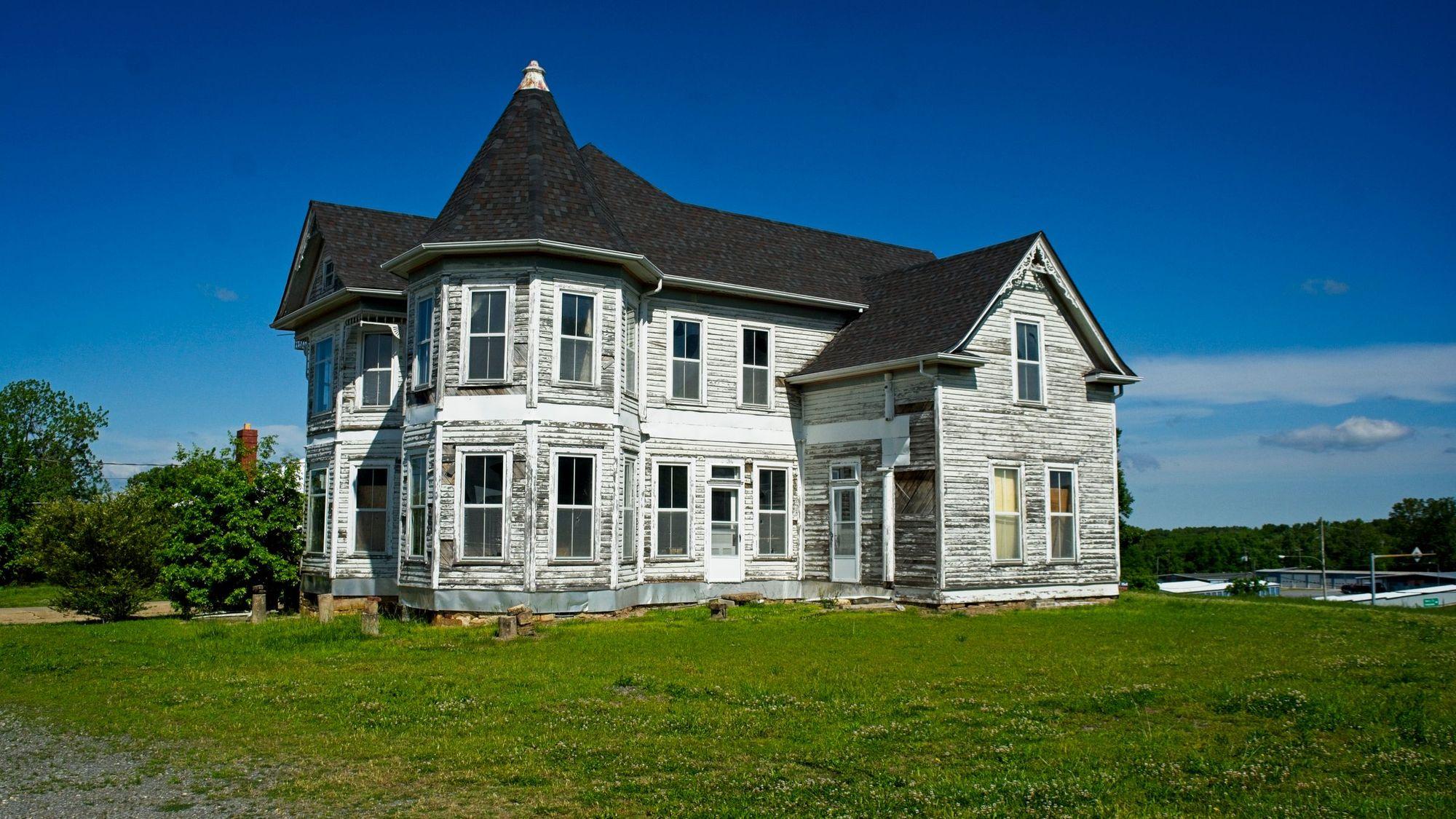
Distressed property · 12 min read
Code Violation Properties: How to Find Owners With Open Violations
How code violation properties move from complaint to fines, liens and demolition, where the case records live, and how to reach owners and buy safely.
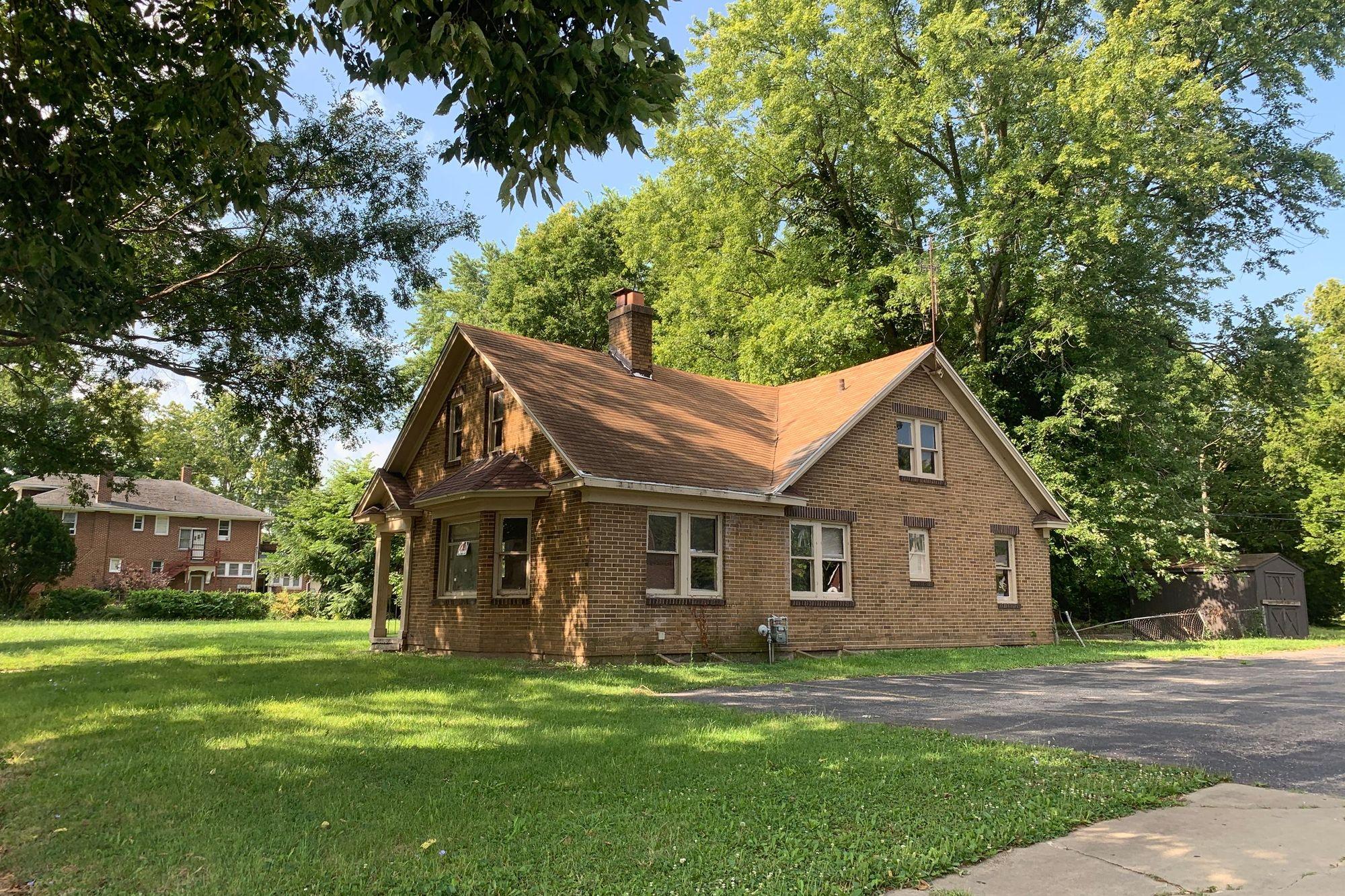
Ownership and court records · 8 min read
Absentee Owners: How to Find and Reach Out-of-State Landlords
Absentee owners explained: how to spot them in assessor records, why out-of-state landlords sell, how to reach them, and what to ask about tenants.

Taxes and liens · 8 min read
Municipal Lien Search: Water, Sewer, Code and Demolition Liens
What a municipal lien search finds, why title searches miss city liens, how to run one office by office, and how these liens shape a deal and the owner.
Book a demo
Name, email, phone, your company, what you are, your state, and how many appointments you want each month.