Vacant property registration
A local ordinance requiring owners, and sometimes lenders, to register a vacant building with the city, pay a fee and keep it secured.
Definition
Vacant property registration is a local ordinance that requires owners, and sometimes mortgage lenders, to register a building with the city once it becomes vacant. Registration usually means paying a fee, naming a local contact, carrying insurance, securing the building and allowing inspections.
Chicago is a common example. Its ordinance requires owners to register a vacant building within 30 days after it becomes vacant or after they take ownership, and to renew every six months while it stays empty. Rules, fees and the definition of "vacant" vary widely by city, and some registries are searchable online or available through a public records request. For investors, a registry is a list of empty buildings with owner contact details attached. Many registered owners live out of state, are estates or are lenders holding foreclosed homes. A building that stays on the registry for years often carries code violations and municipal liens too.
Source: chicago.gov
Read the guide
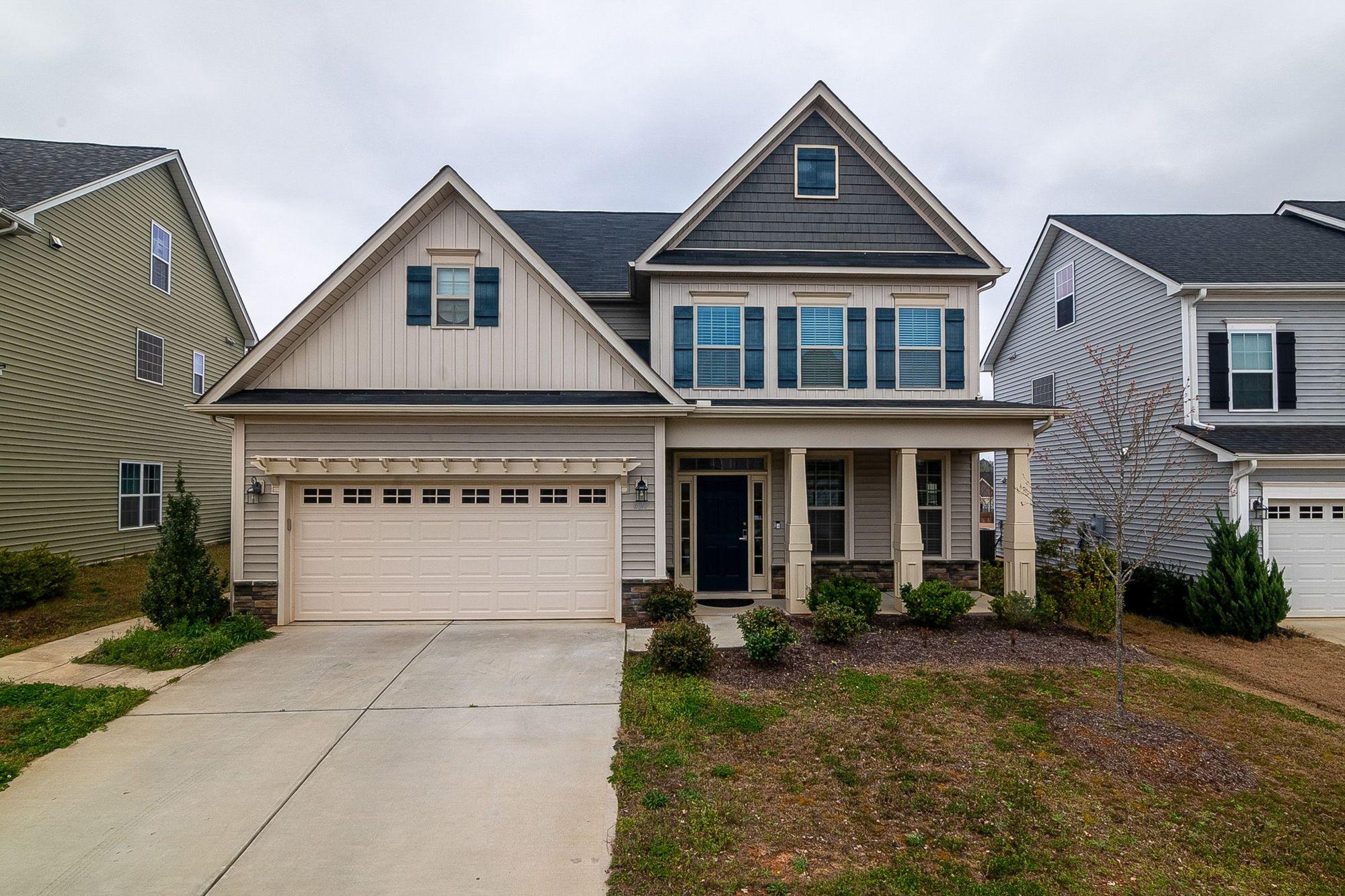
Distressed property · 8 min read
Vacant Property Registration: Find Empty Houses in City Records
How vacant property registration works, who must register, where cities publish the lists, and how to pair them with tax and code records to reach owners.
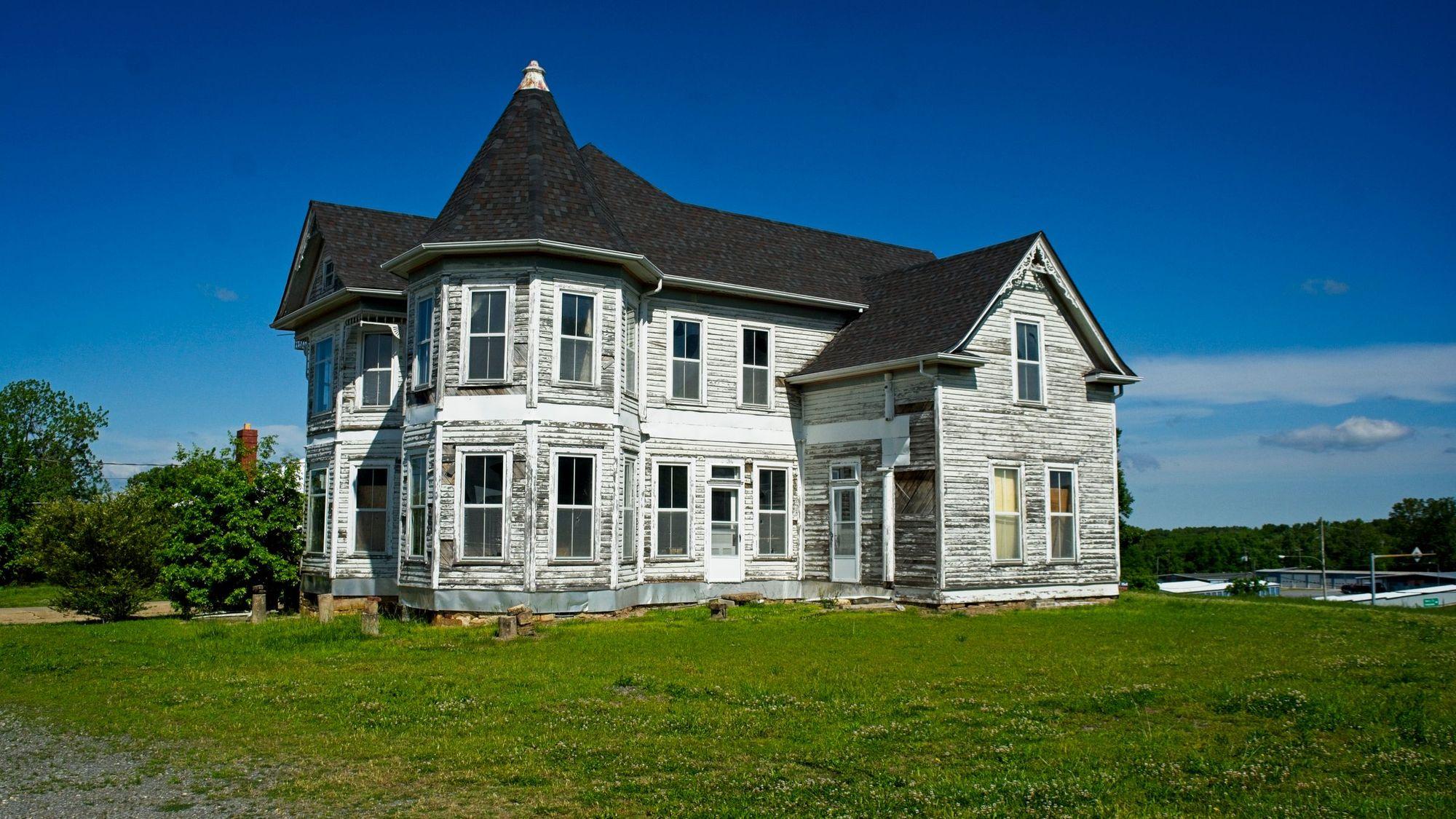
Distressed property · 12 min read
Code Violation Properties: How to Find Owners With Open Violations
How code violation properties move from complaint to fines, liens and demolition, where the case records live, and how to reach owners and buy safely.
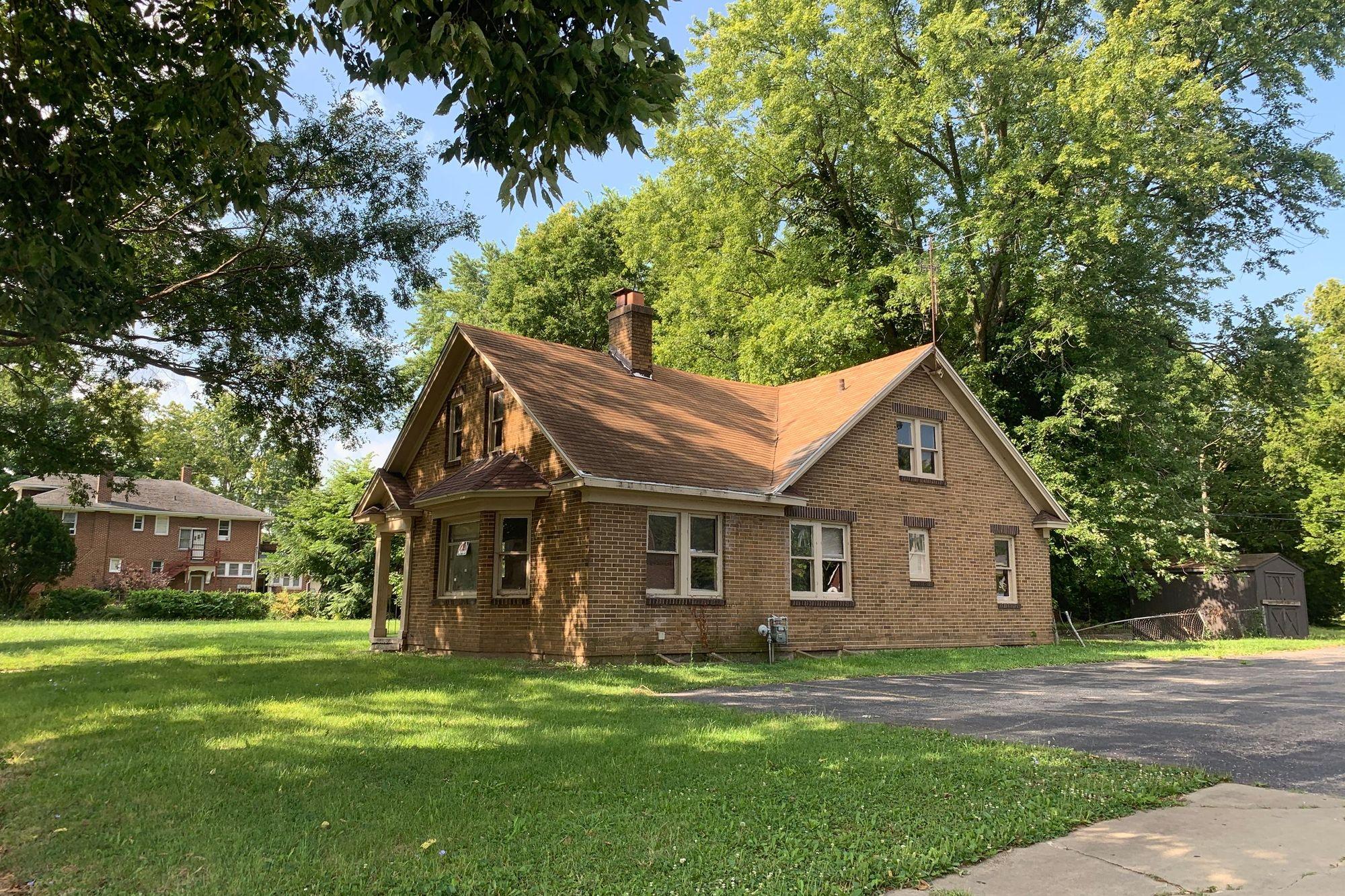
Ownership and court records · 8 min read
Absentee Owners: How to Find and Reach Out-of-State Landlords
Absentee owners explained: how to spot them in assessor records, why out-of-state landlords sell, how to reach them, and what to ask about tenants.
More terms
Book a demo
Name, email, phone, your company, what you are, your state, and how many appointments you want each month.